Short answer: In Raja Ampat the villages own their reefs. Visits to communities like Arborek and Sawinggrai are arranged and paid for in advance, not improvised, and dress, photography and gift-giving follow local norms. Get this right and a village morning becomes one of the best parts of the week; get it wrong and you make life harder for every charter that follows you.
Why do villages control access at all?
Because customary tenure is real here. Communities in Raja Ampat hold traditional rights over their land and adjacent waters, and those rights are recognised in how the marine park operates. A reef in front of a village is not a public space; it belongs to that village in a way that predates any tourism regulation.
That is why access is arranged, why fees are paid, and why a village can simply say no on a given morning — for a ceremony, a funeral, or because they would rather not today. Operators who have worked the same waters for years get access that a boat arriving cold does not. This is a relationship business before it is a logistics business.
What does a good village visit look like?
Not a performance. On Arborek — a small island in the Dampier Strait known for its jetty, where the water runs 0–20 m and schools of fish gather around the pilings — a typical visit means walking through the village with a local guide, seeing the school, watching women weaving pandan hats and bags, and buying some of that work directly. At Sawinggrai on Gam, the same pattern plus the community-managed birding trail.
The good version has three characteristics: it is short enough not to intrude, it involves honest trade rather than handouts, and the money is transparent. A woven bag bought for a fair price does more good than a bag of sweets, and it treats the seller as a business rather than a beneficiary.
The Dampier Strait villages sit right alongside the archipelago’s best diving, which is why they appear on nearly every itinerary — see the Dampier Strait yacht charter route for how the sites and the villages interleave.
What should I wear and what should I not do?
| Do | Don’t |
|---|---|
| Cover shoulders and knees ashore | Walk through a village in swimwear |
| Ask before photographing people, especially children | Photograph inside homes or at ceremonies uninvited |
| Buy handicrafts at the asking price | Haggle hard over a few thousand rupiah |
| Bring small-denomination rupiah | Hand out sweets, money or gifts to children |
| Follow your guide’s route | Wander off between houses |
| Ask before flying a drone — and accept a no | Launch a drone over a village unannounced |
| Accept an offer of tea if it is made | Arrive during Sunday services or a ceremony |
The gift question deserves expanding. Handing sweets or cash to children looks generous and teaches a village’s children to approach every visiting boat with an open hand. If your group wants to contribute, ask your guide or the village head what the school or clinic actually needs, and give through them. It is less photogenic and considerably more useful.
Where does the money go?
- Marine park PIN card — IDR 700,000 for foreign visitors, IDR 425,000 for Indonesians, valid twelve months. It funds ranger patrols, monitoring and community revenue sharing.
- Village and anchorage fees — small, community-set, paid at some locations for the right to visit or anchor.
- Guided excursion fees — the bird-of-paradise walk, jetty snorkels, weaving demonstrations. These go to the village directly.
- Conservation contributions in the Misool reserve area, which are operator-specific rather than publicly standardised.
Our full breakdown of Raja Ampat marine park fees for 2027 sets out what should appear on a charter invoice, including a reported visitor entry ticket whose amount sources currently disagree on.
How does a charter minimise its footprint?
Some of it is the vessel’s job and some of it is yours.
The vessel’s: anchoring on sand rather than coral, or using moorings where they exist; managing waste properly rather than over the side; sourcing fish and produce locally without buying protected species; carrying enough fresh water that guests are not rationed into resentment.
Yours: reef-safe sunscreen applied well before you enter the water; no touching anything, ever — the commonest reef damage is a fin stroke, not a hand; refillable water bottles instead of single-use plastic, which is a genuine problem in a regency with 1,500 islands and minimal waste infrastructure; and buying local rather than bringing everything with you.
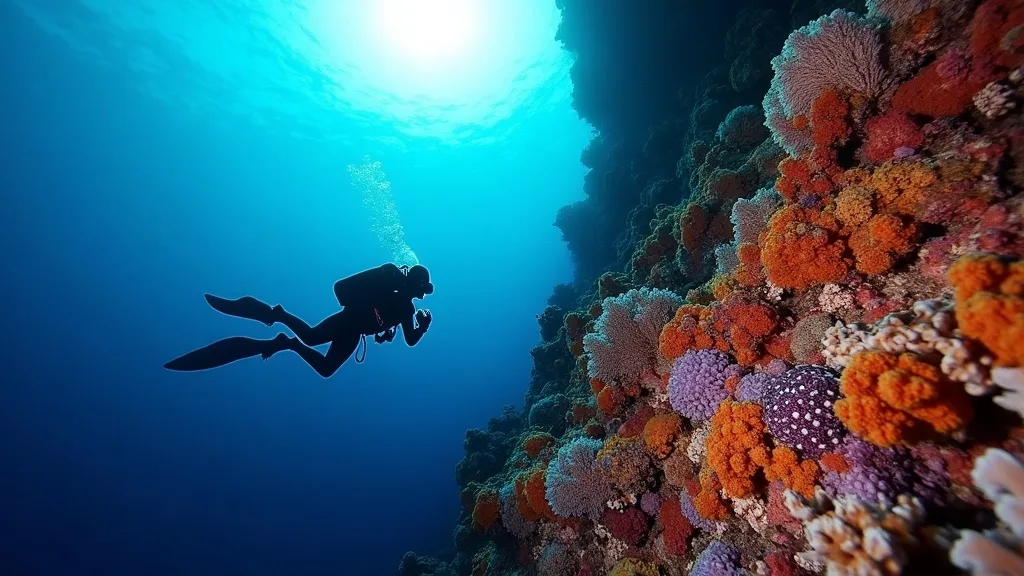
Raja Ampat holds roughly 75% of the world’s known hard coral species and 1,400–1,500 reef fish species. It is not a robust environment that happens to be beautiful; it is a delicate one that has been protected reasonably well, partly by the communities you are visiting.
Why do respectful charters get access others don’t?
Because villages talk to each other, and because operators who behave badly lose permission — sometimes permanently. Access to a bird-of-paradise lek, to a particular jetty, to a beach for a barbecue: these are all granted, and they can all be withdrawn. An operator who has been running Indonesian charters for years is trading on relationships built one visit at a time.
For guests, this translates into something concrete: on a well-connected charter you get invited places. The dawn walk to see the Red bird-of-paradise, whose display window runs roughly 05:30–07:00, is community-run and community-permitted — our guide to the dawn bird-of-paradise excursion explains how it is arranged.
Frequently asked questions
Do I need to bring gifts?
No. Buy handicrafts instead, and give through the village head or school if your group wants to contribute.
Can I photograph people?
Ask first, every time. Most people say yes; the asking is the point.
What should I wear ashore?
Shoulders and knees covered. A sarong over swimwear is the minimum.
Are village visits included in a charter?
Usually yes as an activity, with small community fees billed separately. Confirm at booking.
Is the jetty snorkelling at Arborek any good?
Excellent — 0–20 m with light current, iconic for photography and ideal for non-divers. See our snorkelling charter page.
Can we visit any village we pass?
No. Visits are arranged in advance. Turning up unannounced is exactly the behaviour that closes doors.
Visiting well
Ask your operator which villages are on the route, what fees apply and what the local norms are — a good cruise director will brief this properly before the first tender goes ashore. Charters are operated by Komodo Luxury, part of Juara Holding Group and an Indonesian phinisi operator since 2015. To include community visits and a bird-of-paradise morning in your itinerary, message WhatsApp +62 811 3823 875 or email [email protected].